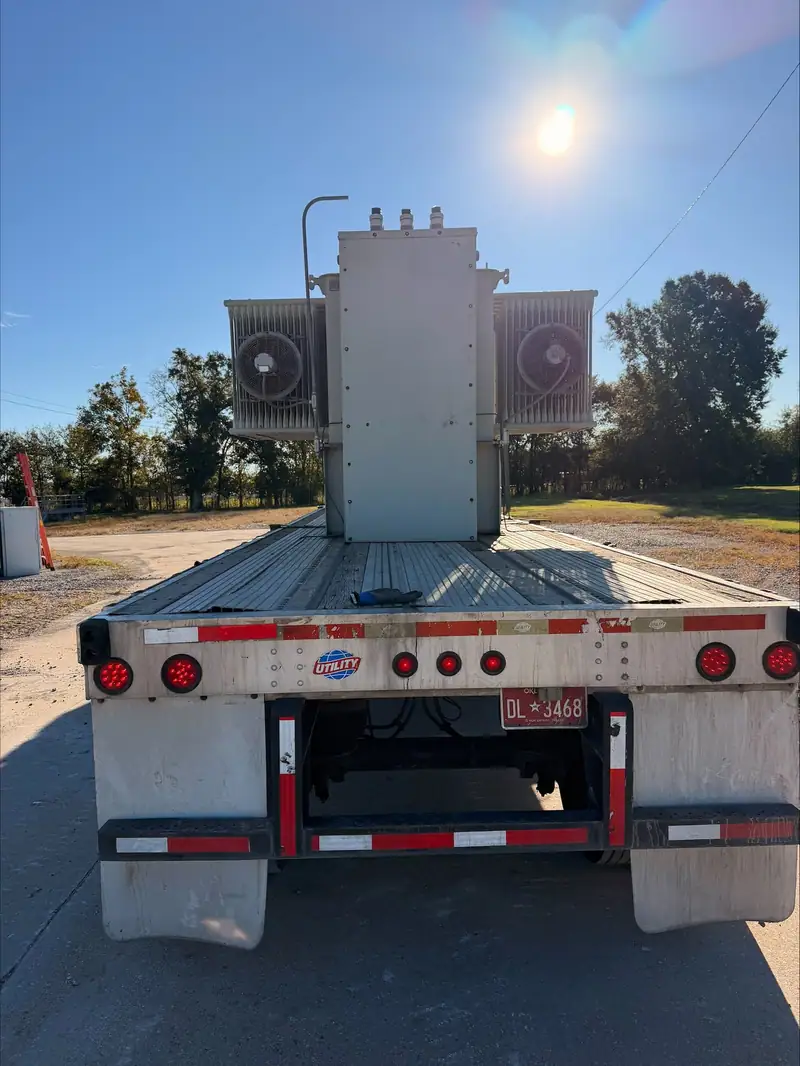
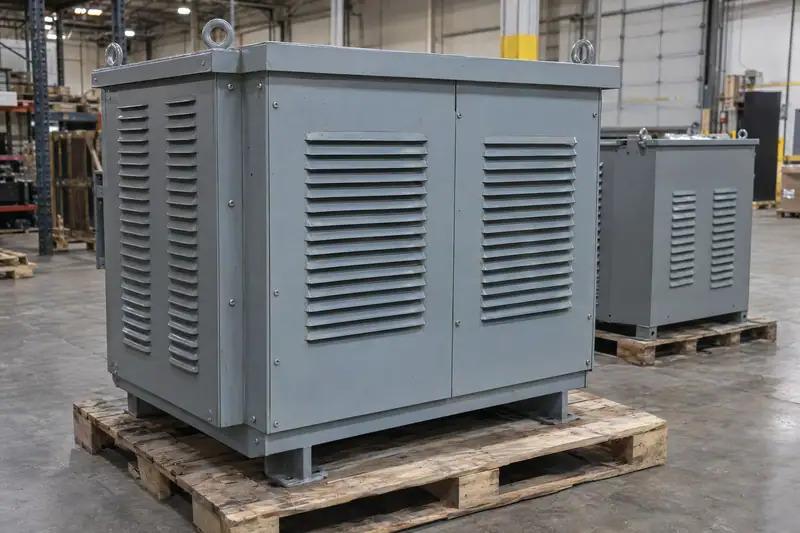
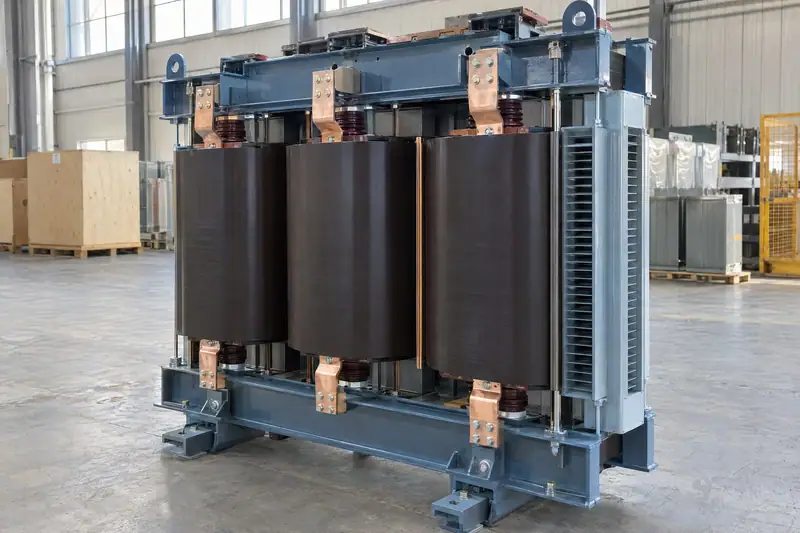
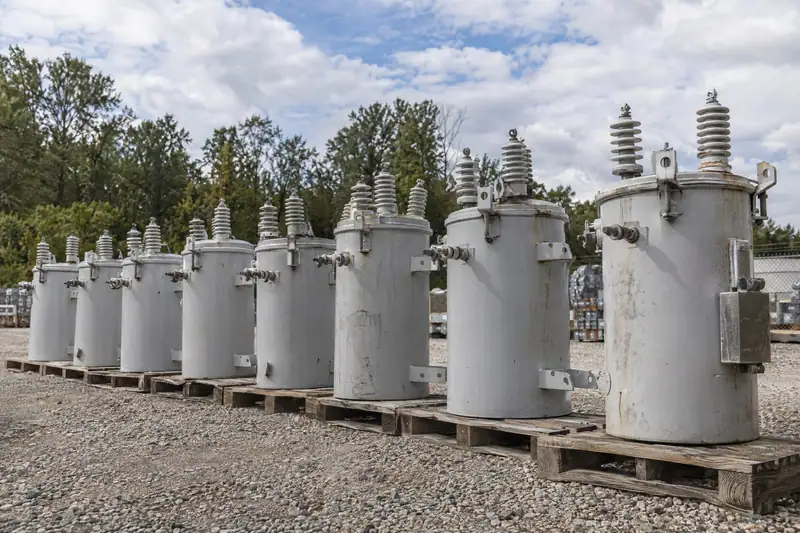
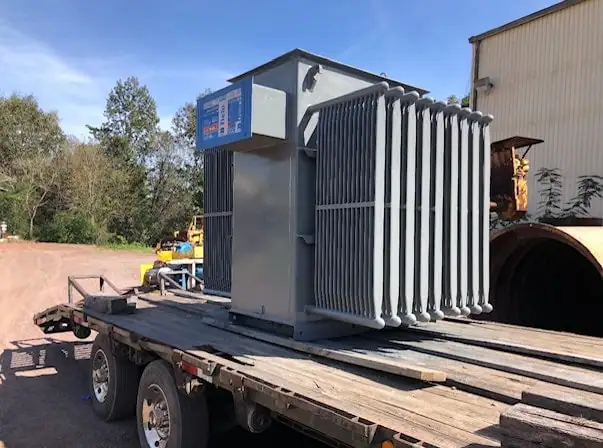
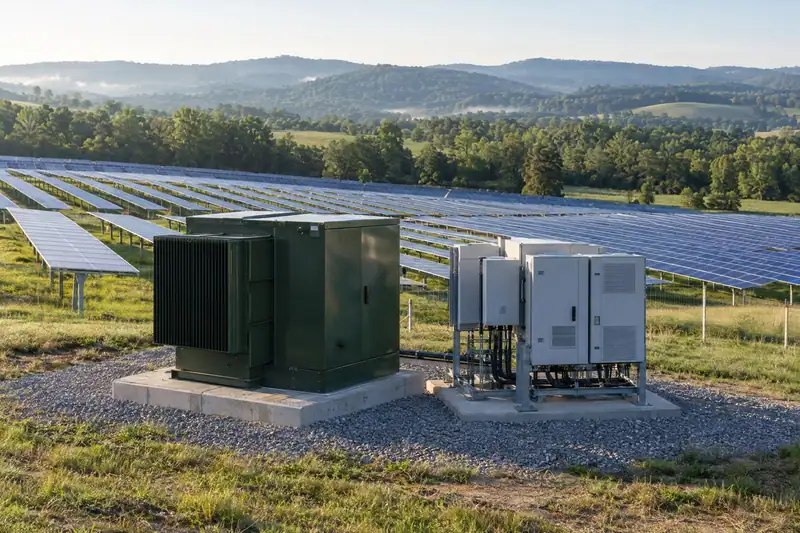
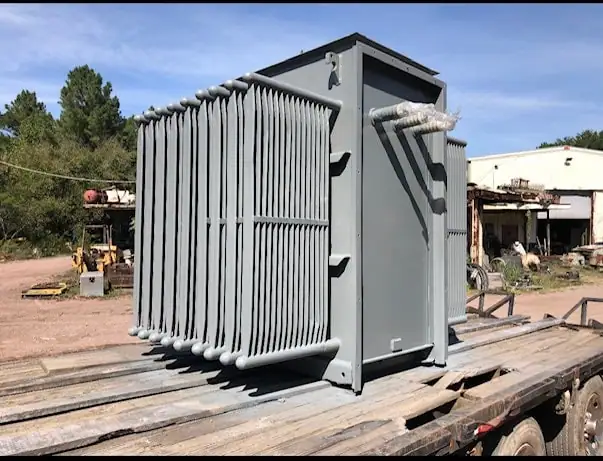
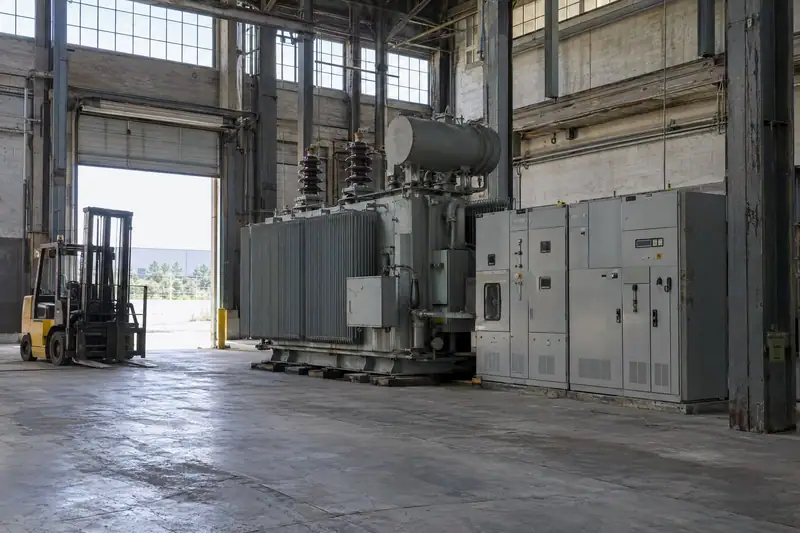
A transformer can be surplus because a project changed, a facility closed or a replacement left the original unit available. We buy electrical transformers from sellers who need a buyer for that equipment, whether it is unused inventory, a working unit removed from service or a decommissioned transformer awaiting disposition.
Virginia Transformer Buyers buys all brands and serves every region of Virginia. Our transformer buying categories cover liquid-filled and dry-type equipment, distribution units and larger power transformers. If you want to sell your transformers, start with the nameplates and photos rather than a guess about their value.
01What Electrical Transformers We Buy
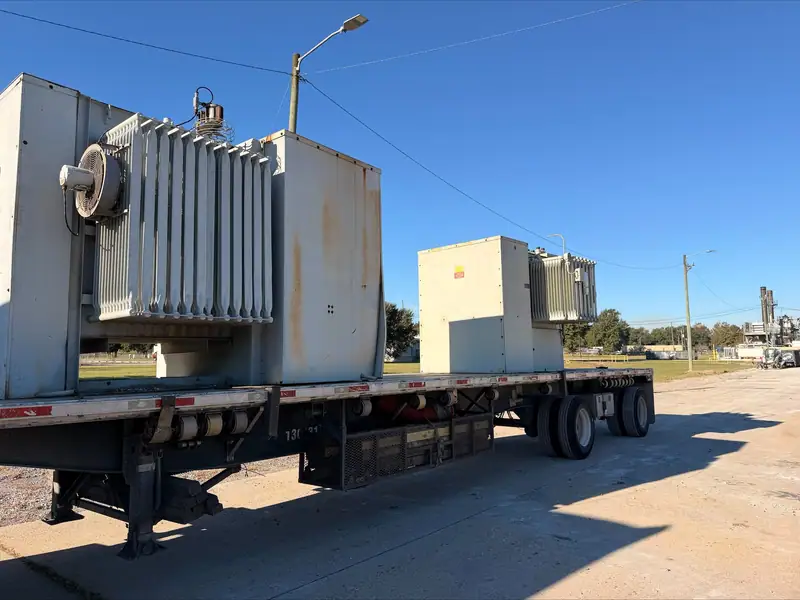
We buy pad-mount, substation, unit substation, power, dry-type, cast resin and pole-mount transformers. We also buy oil-filled equipment and transformers from solar and wind projects. New-surplus units, used equipment and decommissioned units are all within our buying scope; failed or damaged transformers receive case-by-case review.
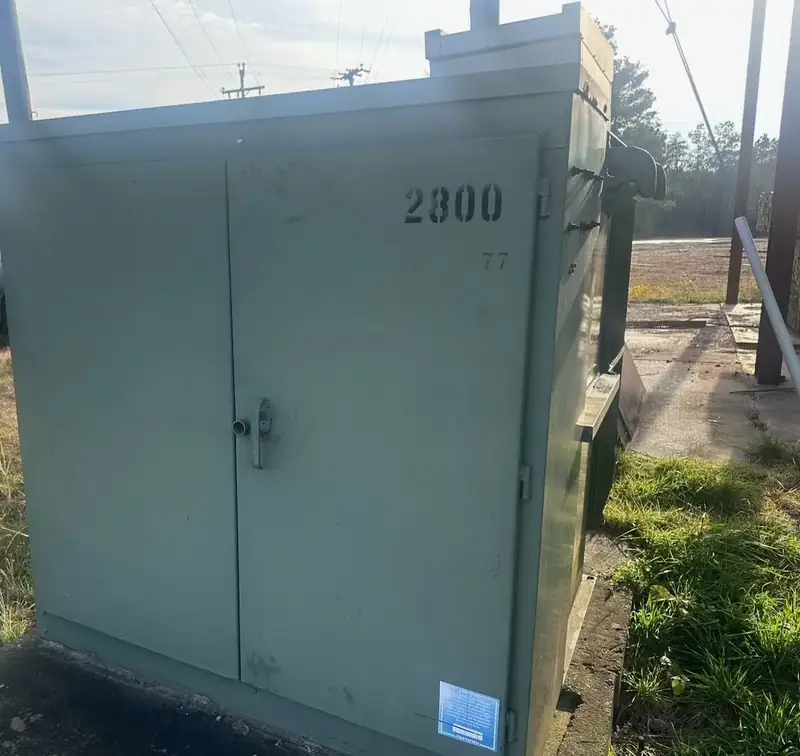
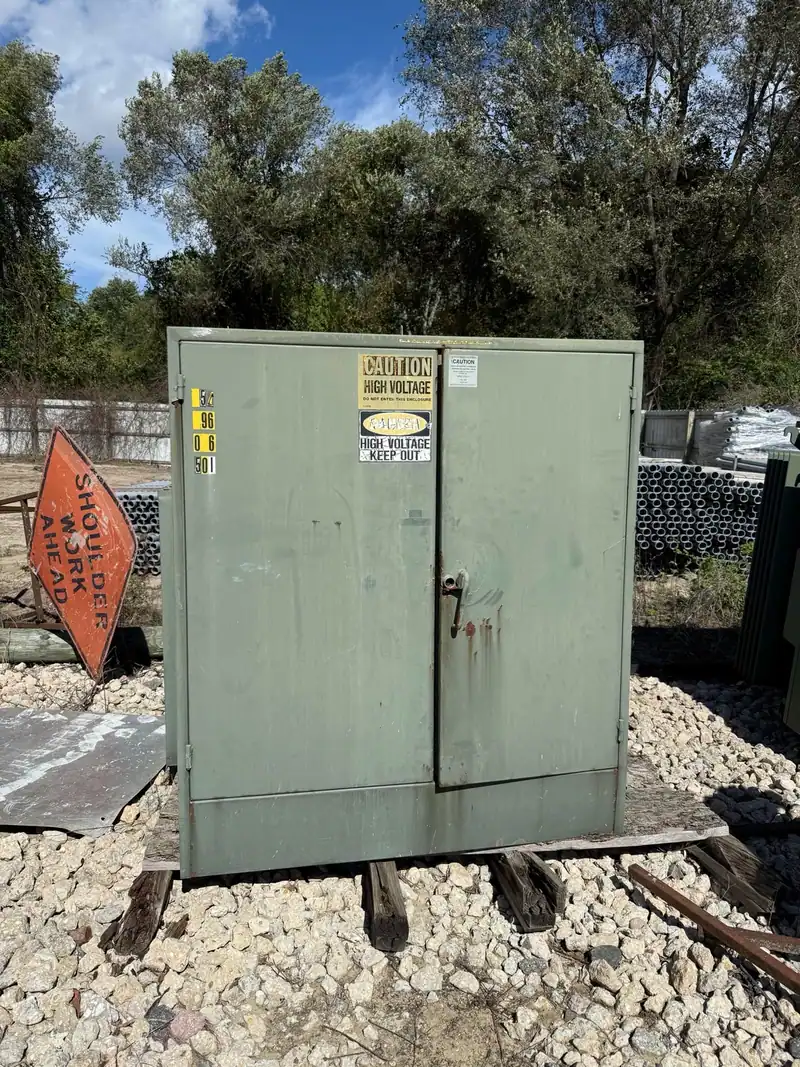
Construction and configuration matter as much as the equipment label. For pad-mount transformers, photos of the cabinet, compartments and connection arrangement help identify what is available. Radial-feed and loop-feed configurations, dead-front and live-front construction, and primary switching features are useful details to include.
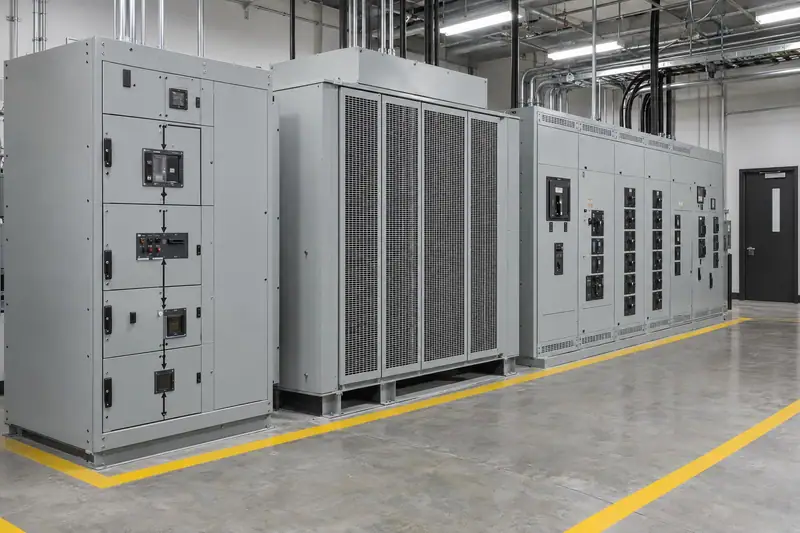
For dry-type transformer equipment, send the enclosure and nameplate photos along with any information about storage conditions. Cast resin and ventilated dry-type units have different construction, so identify the type rather than describing every non-oil unit simply as a dry transformer. Include associated sections when selling a complete unit substation.
- Pad-mount and pole-mount distribution transformers
- Substation transformers and complete unit substations
- MVA-class power transformers
- Ventilated dry-type and cast resin transformers
- Oil-filled, solar and wind project transformers
- New-surplus, used, decommissioned and case-by-case failed units
02All Brands, From Small Distribution Units to MVA-Class
We buy all brands, with single-phase equipment starting at 10 kVA and three-phase equipment starting at 15 kVA. Our range extends through MVA-class power transformers. The transformer size overview explains the difference between a small distribution unit and larger equipment without treating capacity alone as a measure of value.
We pay attention to the primary and secondary voltages, phase, frequency and winding connections. A nameplate showing 12470GrdY/7200 on the primary and 480Y/277 on the secondary provides much more useful information than a description such as “industrial transformer.” Include tap settings or tap ranges when they are visible.
On larger liquid-filled units, capture each listed rating and its cooling class, such as ONAN or ONAF. Also photograph impedance, serial number, manufacturing date and total weight if shown. Virginia Transformer Buyers is an independent buyer, not affiliated with any manufacturer, including Virginia Transformer Corp of Roanoke; brand names identify equipment only.
03Who Sells Surplus Transformers to Us
We buy from sellers with surplus electrical equipment, including facility owners, electrical contractors, industrial operations, utilities, developers and equipment holders. A single removed transformer and a group of unused project units can both be worth submitting. Our information for transformer sellers covers the different situations in which equipment becomes available.
For contractors and developers, surplus may come from a canceled project, a revised voltage requirement or equipment purchased before the final design changed. Describe whether the transformer was ever energized and whether it remains in its original packaging. Unused does not automatically mean undamaged, especially after outdoor storage or repeated handling.
For plants, commercial facilities and utilities, include the reason for removal and any known operating issues. If you are offering several units, identify each one separately instead of assuming matching cabinets contain matching transformers. Make clear which transformer, enclosure sections and accessories are actually included in the sale.
04Transformer Buyers for Every Virginia Region
We serve sellers throughout Virginia, including Northern Virginia, Richmond and Central Virginia, Hampton Roads, the Shenandoah Valley, Southside and Southwest Virginia. Equipment does not have to be near a particular city to be submitted. See our Virginia service coverage for the statewide overview.
Location means more than a ZIP code when a transformer is large or difficult to reach. Tell us whether it is inside a building, outdoors on a pad, in a storage yard or still installed. Note gates, restricted access, overhead obstructions and any known limitations on loading equipment or freight access.
If your inventory spans several sites, group the photos and quantities by location. That keeps a transformer in Richmond from being confused with a similar unit in another facility. We also review equipment in neighboring states and nationwide on request, so identify out-of-state units rather than leaving them off the list.
05Why Surplus Transformers Can Be Useful Now
Surplus transformers can meet needs created by equipment replacement, facility changes, project revisions and electrical system expansion. A unit no longer needed at one site may have the voltage, capacity and construction another application requires. That is why a surplus transformer buyer needs technical details, not just the fact that equipment is available.
Availability alone does not make a transformer suitable for a different system. Primary voltage, secondary voltage, phase, impedance, taps and physical configuration all affect its usefulness. For larger units, cooling ratings and the condition of bushings, radiators and accessories also help explain what is being offered.
There is no single demand level or value that applies to every surplus transformer. A common capacity with an unsuitable voltage combination is a different proposition from equipment that matches a specific requirement. We focus on the actual unit, its documented condition and the practical details of moving it rather than making blanket claims about shortages or guaranteed resale.
06What to Send for an Efficient Offer Review
The most useful starting point is a sharp, readable nameplate photo and overall photos of each transformer. Take the nameplate straight on when possible, avoiding glare and shadows. Our transformer nameplate guide helps you locate the fields that identify the equipment.
Show the full unit from several sides, including visible damage, fluid leaks, missing parts and the surrounding access area. For liquid-filled equipment, identify the insulating fluid if known, such as mineral oil or FR3 natural ester. PCB status must be disclosed and documented; do not assume that appearance, age or fluid color establishes it.
Include available test reports, maintenance records and condition notes without arranging new testing just to complete an initial inquiry. We may ask questions about test data, PCB documentation or access. Clear information helps distinguish an operating takeout from an untested stored unit or a transformer with a known fault.
- Readable nameplate photos for every distinct unit
- Overall photos, connection areas and visible accessories
- Quantity and equipment location
- Used, unused, decommissioned or failed condition
- Known damage, leaks, missing components and storage history
- Available test data, fluid identification and documented PCB status
07Sell Your Transformers With Written Terms
The process has three steps: send nameplate and overall photos with location, quantity and condition notes; receive a written offer if the equipment fits after review and any follow-up questions; then schedule pickup with us under the agreed terms. The offer spells out price, freight, loading and payment terms, and payment follows those written terms. See how the buying process works for details.
We do not perform electrical disconnect work. Sellers use their own qualified electricians to de-energize and disconnect equipment, and we do not ask sellers to drain fluid. We do not provide engineering, legal or environmental advice; keep those responsibilities with the appropriate qualified professionals.
Call or text (951) 403-5738, or send your transformer details for an offer. Include the photos and known condition rather than waiting until every record has been located. Tell us what is missing so we can ask focused questions about the equipment.
Frequently asked questions
Can I sell one surplus transformer, or do I need a full lot?
You can submit one surplus transformer or a group of units to Virginia Transformer Buyers. We buy single-phase equipment from 10 kVA and three-phase equipment from 15 kVA through MVA-class transformers. For a lot, provide quantities and nameplate photos for each distinct specification, and identify any units with different condition or missing components.
Do you buy unused transformers left over from a canceled project?
Yes, we buy new-surplus transformers left over from canceled or changed projects. Tell us whether the units were ever energized, how they have been stored and whether accessories or enclosure sections are missing. Include nameplate photos even if you have the original order documents, because the installed nameplate identifies the equipment actually available.
Can I offer a transformer that is still connected at my facility?
Yes, you can submit details while the transformer is still connected, but your own qualified electricians must de-energize and disconnect it. Virginia Transformer Buyers does not perform that work. Identify its current installation, expected availability and access restrictions so the equipment review and any written pickup terms reflect the actual site conditions.
Do you buy failed transformers or units with oil leaks?
Failed or damaged transformers, including units with known leaks, are reviewed case by case. Describe the failure, visible damage, fluid condition and any available test findings accurately. PCB status must be disclosed and documented. Do not drain the transformer for us; photographs and existing records are the appropriate starting point for review.
What if the transformer nameplate is unreadable or missing?
Send the photos and records you have, and clearly state that the nameplate is unreadable or missing. Original equipment documents, serial numbers and maintenance records may help identify the unit, but missing ratings can limit review. Do not guess at kVA or voltage from cabinet size, and do not open energized compartments to obtain information.
Are you connected to Virginia Transformer Corp in Roanoke?
No, Virginia Transformer Buyers is an independent equipment buyer and is not affiliated with Virginia Transformer Corp of Roanoke or any other manufacturer. We buy all brands of eligible surplus, used and new-surplus transformers. A manufacturer name in an equipment description identifies the transformer brand, not a business relationship or manufacturer endorsement.